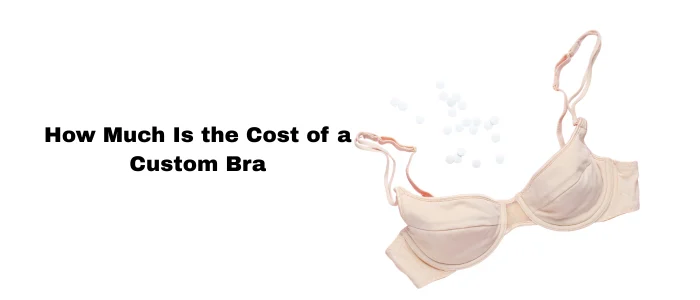
The demand for custom bras and private label lingerie continues to rise in the United States as consumers seek comfort, inclusivity, and personalized fit. In fact, the global lingerie market alone is expected to reach nearly $101 billion by 2026, reflecting strong growth in online and premium lingerie sales, a trend that also influences custom bra production and consumer expectations in the US market.
One of the most common questions founders ask before starting production is simple but critical: what is the cost of a custom bra in 2026? Pricing transparency matters, especially for startups working with tight budgets and clear margin goals.
In 2026, several manufacturing trends are influencing custom bra costs. These include higher fabric quality standards, inclusive sizing expectations, sustainable material demand, and rising labor and compliance costs. Understanding these factors helps brands plan better and avoid surprises.
This guide breaks down custom bra pricing clearly, realistically, and in simple terms. And that’s why it’s an excellent choice for apparel brands to choose a reliable manufacturer like Argus Apparel.
What Is a Custom Bra?
A custom bra is a bra designed and manufactured specifically for a brand, rather than purchased as a ready-made wholesale product.
Custom Bras vs Ready-Made Bras
| Feature | Custom Bra | Ready-Made Bra |
|---|---|---|
| Design ownership | Brand-owned | Manufacturer-owned |
| Fabric choice | Fully customizable | Limited |
| Sizing | Brand-defined | Standard only |
| Branding | Private label | Generic |
| Fit | Developed per brand | Mass fit |
With custom bras, brands control design, sizing, fabric, construction, and branding. This includes everything from lace selection and strap width to label placement and packaging.
Ready-made bras are cheaper upfront but offer little differentiation. Custom bras cost more initially but support long-term brand growth and stronger margins.
Average Cost of a Custom Bra in 2026
The cost of a custom bra varies widely based on quantity, design, and production location.
Below are realistic price ranges for 2026.
Custom Bra Cost Breakdown (Estimated)
| Production Stage | Cost Range (USD) |
|---|---|
| Sample development | $80 – $250 per style |
| Small batch (100–300 units) | $18 – $35 per bra |
| Medium batch (500–1,000 units) | $12 – $22 per bra |
| Bulk production (3,000+ units) | $7 – $14 per bra |
Note: These prices are indicative averages and may vary depending on fabric type, sizing range, construction details, branding requirements, and whether production is done in the USA or overseas. Sampling, tooling, packaging, and compliance costs are typically calculated separately.
USA vs Overseas Manufacturing Costs
| Location | Average Cost Per Bra | Notes |
|---|---|---|
| USA manufacturing | $18 – $40 | Higher labor, faster turnaround |
| Overseas manufacturing | $7 – $22 | Lower unit cost, higher MOQs |
What Affects the Cost of a Custom Bra
The cost of a custom bra is not fixed. It changes based on several production and design decisions. Every design preference and fabric style demands different making charges. Understanding these factors helps brands control budgets, plan pricing, and avoid unexpected costs during manufacturing.
1. Fabric Selection
Fabric is one of the biggest cost drivers in custom bra manufacturing processes. It impacts material cost, production complexity, and long-term durability.
| Fabric Type | Cost Impact |
|---|---|
| Cotton & microfiber | Low to medium |
| Lace & mesh | Medium |
| Satin & silk blends | High |
| Sustainable fabrics | Medium to high |
Basic fabrics like cotton and microfiber are widely available and easier to source, keeping costs stable. Lace, mesh, and stretch lace increase costs due to delicate handling and higher wastage during cutting. Satin and silk blends are premium materials that require careful stitching and finishing, which adds labor time.
Sustainable fabrics such as recycled nylon or organic cotton cost more because of limited suppliers, certification requirements, and higher raw material prices. However, many US brands accept this added cost to meet sustainability expectations.
2. Bra Style & Construction
The construction of a bra directly impacts labor time, machinery use, and component count.
| Bra Type | Relative Cost |
|---|---|
| Bralette | Low |
| Underwire bra | Medium |
| Sports bra | Medium to high |
| Push-up / padded bra | High |
| Strapless/specialty | High |
Bralettes are usually simpler, with fewer components and less structure. Underwire bras require precise channeling, wiring, and cup shaping, increasing labor. Sports bras often involve compression fabrics, reinforced seams, and performance testing.
Push-up, padded, and strapless bras are among the most expensive due to molded cups, padding inserts, boning, silicone grips, and additional internal construction. More structure means higher production complexity and cost.
You can also explore our guide on different bra types to better understand cost variations.
3. Design Complexity
Simple designs are faster and cheaper to produce. Costs increase as designs become more detailed.
Common cost-increasing elements include:
- Multiple fabric panels
- Decorative or reinforced stitching
- Lace overlays and layered fabrics
- Boning and foam padding
- Metal rings, sliders, and adjusters
Each added element increases sewing time, quality checks, and material handling. Complex designs also increase the chance of sampling revisions, which further raises development costs.

4. Custom Sizing & Fit Development
Fit development is one of the most important and expensive steps in bra production.
| Sizing Type | Cost Impact |
|---|---|
| Standard sizing (S–XL) | Lower |
| Cup-based sizing | Medium |
| Inclusive sizing | Higher |
Standard sizing requires fewer patterns and less grading. Cup-based sizing involves more technical pattern work and fit testing. Inclusive sizing adds high cost because each size must be evaluated, graded, and adjusted individually.
Although this increases upfront expenses, strong fit rates reduce returns, improve customer trust, and support long-term brand growth.
5. Branding & Customization
Branding makes a custom bra feel premium but adds to production costs.
Common customization options include:
- Woven or printed private labels
- Heat-transfer size and care labels
- Embroidery or logo stitching
- Custom hang tags and branded boxes
Custom packaging increases per-unit cost due to printing, setup fees, and packing labor. However, it improves perceived value and supports higher retail pricing, especially in the US market.
6. Minimum Order Quantity (MOQ)
MOQ plays a major role in per-unit pricing.
| MOQ Level | Cost Per Unit |
|---|---|
| 50–100 units | Highest |
| 300–500 units | Medium |
| 1,000+ units | Lowest |
7. Manufacturing Location
Where the bra is produced also affects cost, speed, and quality.
| Factor | USA Manufacturing | Overseas Manufacturing |
|---|---|---|
| Unit cost | Higher | Lower |
| Lead time | Shorter | Longer |
| Communication | Easier | Time zone dependent |
| Quality control | High | Varies |
USA manufacturing offers faster turnaround and easier communication. But of course, it comes with higher labor costs. Whereas overseas manufacturing provides lower unit pricing, making it suitable for startups to manage budgets. Many brands work with experienced private label manufacturing partners like Argus Apparel to balance cost efficiency with quality and production reliability across locations.
Understanding these factors allows brands to make smarter decisions and build a cost-effective custom bra line without compromising fit or quality.
Sample & Development Costs
Bra development is more technical than most apparel.
Typical development costs include:
- Tech pack creation
- Pattern making
- Prototype samples
- Multiple fit rounds
Sampling costs are higher because bras require precision. A single style may need 2–4 sample revisions before approval.
Hidden Costs to Consider
Startup brands often overlook these expenses:
- Pattern revisions
- Size grading fees
- Fabric testing and compliance
- Shipping and import duties
- Labeling and packaging setup
Factoring these early helps avoid budget overruns.
How to Reduce Custom Bra Manufacturing Costs
Reducing the custom bra cost does not mean compromising on quality or fit. With smart planning and the right production strategy, startups and growing brands can manage expenses while still delivering a premium product.
Here are practical and proven ways to lower manufacturing costs:
Start with fewer core styles
Launching with one or two well-designed bra styles keeps development, sampling, and pattern costs under control. Core styles are easier to refine, easier to reorder, and help brands evaluate the market before expanding.
Use scalable, readily available fabrics
Choosing fabrics that are widely available and suitable for multiple styles reduces sourcing delays and price fluctuations. Scalable fabrics also make it easier to reorder or expand production without changing material costs.
Limit size ranges initially
Producing every size from the start increases grading, sampling, and inventory costs. Many successful brands begin with a focused size range, then expand based on sales data and customer demand.
Plan collections instead of one-off designs
Producing multiple styles or colors in a single collection allows manufacturers to optimize cutting, sewing, and material usage. This approach lowers per-unit costs compared to producing isolated designs.
Reuse approved patterns across colors or fabric variations
Once a pattern is evaluated and approved, reusing it across new colors or similar fabrics significantly reduces development and sampling expenses. This strategy also speeds up production timelines.
Order slightly higher quantities when possible
If the budget allows, increasing order volume helps spread setup and labor costs across more units, reducing the cost per bra.
Brands that plan production strategically, work closely with their manufacturer, and think long-term often achieve better margins and more predictable costs as they scale.
Is Custom Bra Manufacturing Worth It for Startups?
For most lingerie startups, yes.
Benefits Include:
- Higher profit margins
- Stronger brand identity
- Better customer fit and loyalty
- Long-term scalability
While upfront costs are higher, custom bras support sustainable growth.
Why Work with an Experienced Custom Bra Manufacturer?
Bras is one of the most technical garments to produce.
An experienced manufacturer provides:
- Accurate fit development
- Consistent quality control
- Reliable production timelines
- Cost optimization guidance
Manufacturers like Argus Apparel support startups through design, sampling, and production with practical manufacturing expertise.
Conclusion
The cost of a custom bra in 2026 depends on fabric, design complexity, sizing, MOQ, and manufacturing location. For startups in the USA, realistic pricing ranges from $7 to $40 per unit, depending on scale and strategy.
Understanding these costs early allows founders to price confidently, plan margins, and choose the right manufacturing partner. With the right approach, custom bra manufacturing becomes a powerful tool for brand differentiation and growth.
Planning to launch a custom bra or lingerie line? Contact Us Today!