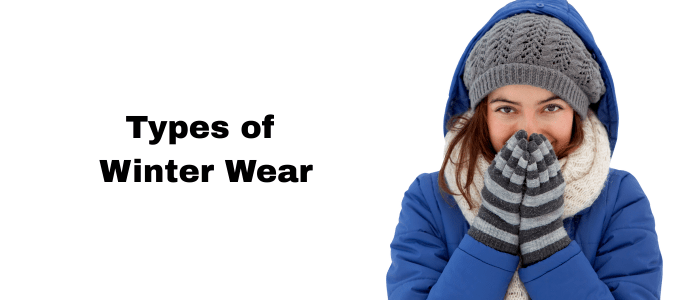
Winter brings a wide range of clothing needs, from light layers for mild cold to high-performance pieces built for freezing temperatures. Today’s winter clothing types are designed to balance insulation, durability, breathability, and comfort. Fashion startups, private label brands, and outdoor apparel companies across the USA often look for clear guidance on selecting the right items for their collections.
Argus Apparel supports these brands with custom winter wear manufacturing, helping them build reliable and stylish cold-weather apparel. From thermals to wool coats, every product is developed with thoughtful fabric selection and expert construction to ensure long-lasting performance.
Key Types of Winter Wear
Thermal Wear
Thermal wear forms the base layer of most winter outfits. It is designed to retain body heat while staying lightweight and breathable. These garments are usually made from heat-retaining fabrics such as merino wool, polyester blends, or thermal cotton.
Why it matters:
Thermals keep the body warm without adding unnecessary bulk, making them ideal for layering. They are essential for extreme cold, travel, outdoor work, and sports.
Material insights:
- Brushed inner surfaces improve insulation.
- Seamless or flatlock stitching prevents irritation.
- Moisture-wicking fibers help regulate temperature.
For brands seeking reliable thermal wear manufacturers, Argus Apparel offers custom thickness options, fabric blends, and sizing flexibility for private label collections.
Fleece Jackets
Fleece jackets are a staple mid-layer option in most winter wardrobes. They are soft, warm, and incredibly lightweight. Using materials like polar fleece or microfleece, these jackets dry quickly and work well for both outdoor performance and everyday comfort.
Best for:
Outdoor activities, hiking, athleisure, travel, and casual layering.
Fabric insight:
Recycled polyester fleece is trending among USA brands for sustainable winter collections.
Argus Apparel supports private label clients by offering customizable fleece jackets in various weights, textures, and finishes.
Padded / Quilted Jackets
Padded and quilted jackets offer a strong balance of warmth, structure, and style. They feature synthetic insulation or natural down, making them versatile across cold-weather conditions.
Typical features:
- Outer shell in nylon or polyester for water resistance
- Options like puffer jackets, long quilted coats, and parkas
- Stitch patterns that secure insulation
Synthetic padding is especially popular among eco-focused USA brands due to its durability and animal-free insulation properties.
As a custom winter wear manufacturer, Argus Apparel provides fully custom options including fill power, insulation type, quilting style, and shell fabric selection.
Wool Coats & Wool Sweaters
Wool garments remain classic winter essentials. They offer natural insulation, breathability, and a premium look—making them ideal for luxury, formal, and lifestyle winter lines.
Common styles:
- Long wool trench coats
- Wool-blend overcoats
- Cardigans and pullovers
- Cashmere-blend sweaters for enhanced softness
Wool is naturally temperature-regulating, making it a powerful choice for winter layering. Brands searching for reliable wool clothing manufacturers often choose Argus Apparel due to its sourcing network and ability to create custom blends.
Softshell & Hardshell Jackets
These jackets are engineered for performance-focused winter clothing types.
Softshell Jackets
- Wind-resistant
- Breathable
- Ideal as a mid-layer or standalone piece
- Suitable for hiking, running, and outdoor work
Hardshell Jackets
- Fully waterproof
- Often include taped seams and technical coatings
- Built for harsh weather or heavy snow
- Essential for performance, skiing, and mountaineering collections
Both types are popular with outdoor brands developing high-function insulated outerwear.
Hybrid Jackets
Hybrid jackets combine materials such as fleece, soft shell panels, and synthetic padding to deliver balanced warmth and mobility. They are well suited for unpredictable winter conditions and all-season use.
Best for:
Daily wear, travel, light outdoor activities, and transitional weather.
Hybrid constructions allow brands to offer versatile layers with high value and year-round appeal.
Fabrics Commonly Used in Winter Wear
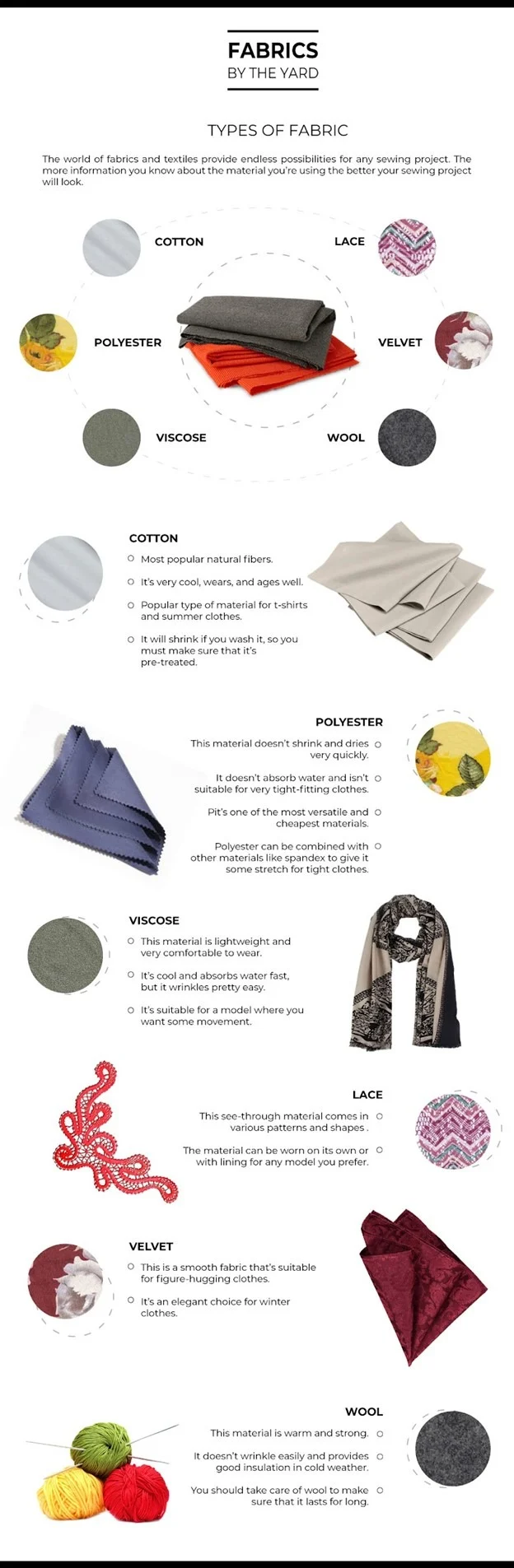
Below is a clear breakdown of the primary fabrics used in today’s winter clothing types.
| Fabric Type | Key Properties | Best Used For |
|---|---|---|
| Wool | Natural insulation, breathable, excellent moisture control | Coats, sweaters, pullovers |
| Fleece | Lightweight, soft, quick-drying, heat-retentive | Jackets, hoodies, mid-layers |
| Nylon / Polyester | Durable, water-resistant, wind-blocking | Outerwear shells, parkas |
| Down / Synthetic Fill | High warmth-to-weight ratio, compressible insulation | Puffer jackets, quilted coats |
| Thermal Cotton | Gentle warmth, breathable, skin-friendly | Base layers, thermal tops |
Layering Essentials: How to Build a Functional Winter Outfit
Layering is one of the most important principles in creating effective winter wear, especially for brands developing custom collections for the USA market. A well-structured layering system improves warmth, comfort, and flexibility, making it easier for customers to adapt to different temperatures throughout the season.
A strong winter outfit is typically built around three core layers:
1. Base Layer (Thermals)
The base layer is responsible for moisture control and heat retention. High-quality thermal tops and bottoms made from merino wool, polyester blends, or thermal cotton help regulate body temperature without feeling heavy. This is why many brands work closely with thermal wear manufacturers to create soft, breathable, and insulating base layers suitable for cold climates.
2. Mid Layer (Fleece or Wool)
The mid layer adds insulation. Fleece jackets, wool sweaters, and lightweight quilted vests offer warmth while keeping the body comfortable during outdoor activity. Fleece is preferred for active wear, while wool is ideal for lifestyle and premium collections. Mid-layer versatility allows brands to design winter clothing types that meet both performance and fashion needs.
3. Outer Layer (Padded, Softshell, or Hardshell)
The outer layer protects against wind, snow, and rain. Padded jackets, insulated outerwear, softshell jackets, and hardshell shells create a strong barrier while maintaining breathability. Synthetic padding, waterproof coatings, and wind-resistant fabrics ensure durability even in harsh conditions. This step is where custom winter wear manufacturers like Argus Apparel help brands select the right shell materials, insulation levels, and functional trims.
Why Layering Matters for Brands
Layering-friendly winter collections appeal to a wider audience, from commuters to outdoor athletes. They also give brands the opportunity to sell multiple products within one outfit—thermals, fleece jackets, padded jackets, and more—creating higher customer value and better sales opportunities.
Layering also makes it easy for USA-based customers to adapt to shifting weather, allowing them to combine lightweight thermals with wool coats or pair fleece with waterproof insulated outerwear.
How Argus Apparel Helps Build Custom Winter Lines
Whether a brand creates padded jackets, fleece layers, wool coats, or thermal tops, Argus Apparel offers full-service manufacturing for private label winter clothing.
1. Advanced Fabric Sourcing
Argus Apparel sources both synthetic and natural textiles, including recycled fleece, premium wool blends, thermal units, and weather-resistant nylon. Brands can choose from a wide selection based on warmth level, texture, budget, and sustainability goals.
2. Custom Design & Development
The company supports brands with product development for:
- Padded jackets and quilted outerwear
- Fleece jackets and hoodies
- Thermal wear sets
- Wool coats and sweaters
- Hybrid and technical outerwear
This level of customization makes Argus Apparel a trusted partner for USA-based private label winter collections.
3. Full Private Label Manufacturing
Argus Apparel handles everything from sampling to bulk production. Brands benefit from consistent quality, flexible MOQs, detailed tech packs, and scalable manufacturing solutions.
4. Sustainable Options
Many brands now prefer recycled polyester, synthetic padding, and low-impact dyes. Argus Apparel supports these needs by offering eco-friendly material selections and responsible production practices.
1. What are the main types of winter wear?
The main types of winter wear include thermal wear, fleece jackets, padded or quilted jackets, wool coats, sweaters, hybrid jackets, and technical outerwear such as softshell and hardshell jackets. Each serves a different purpose, from base-layer warmth to heavy-duty insulation.
2. Which winter clothing types are best for extreme cold?
For extreme cold, padded jackets, down jackets, wool coats, and multi-layered outfits are the most effective. Thermals as a base layer combined with fleece and an insulated outerwear shell offer strong protection in freezing temperatures.
3. What is the difference between fleece jackets and wool sweaters?
Fleece jackets are lightweight, quick-drying, and excellent for outdoor activity or casual layering. Wool sweaters are naturally warm, breathable, and provide a more classic, premium look. Many brands use both in winter collections to cover different styles and warmth needs.
4. Are synthetic padded jackets warmer than natural down?
Down offers the highest warmth-to-weight ratio, but synthetic padding performs better in wet or humid conditions and is more affordable. Many USA brands use synthetic insulation for ethical, durable, and easy-care winter products.
5. Can winter wear be customized as private label clothing brands?
Yes. Private label winter clothing can be fully customized—fabric selection, padding type, shell material, design, fit, and branding details. Manufacturers like Argus Apparel support brands with sampling, bulk production, and fabric sourcing for thermal wear, fleece jackets, padded jackets, and wool coats.
6. Which fabrics are most used in winter wear manufacturing?
The most common fabrics include wool, fleece, thermal cotton, nylon, polyester, and down or synthetic fill. These materials offer insulation, breathability, durability, and weather protection, making them ideal for different types of winter wear.
Conclusion
Winter wear includes a wide spectrum of garments; each designed with a specific purpose in mind. Thermals provide foundational warmth, fleece offers lightweight comfort, padded jackets deliver insulation, and wool pieces bring classic elegance. These types of winter wear help brands build complete collections that cater to different climates and lifestyles.
Argus Apparel empowers startups, private label brands, and established apparel companies to develop high-quality custom winter lines for the USA market. With expert fabric selection, strong manufacturing capabilities, and sustainable options, the company helps turn winter clothing concepts into reliable, high-performance products.
If you are planning to create a premium wool coat line, fleece collection, or insulated outerwear range, Argus Apparel delivers high-quality manufacturing with a focus on warmth, performance, and durability.