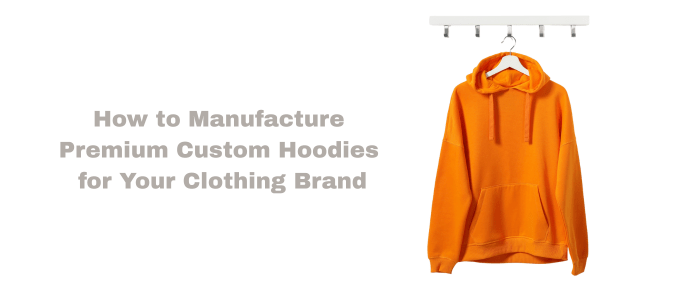
Premium hoodies have become one of the strongest product categories in streetwear, athleisure, and lifestyle apparel. From emerging fashion labels to fast-growing DTC brands, customized hoodies now play a major role in defining brand identity and customer experience. A hoodie is no longer just a basic sweatshirt; it can be a flagship product that represents craftsmanship, comfort, and style.
The demand for hoodies has skyrocketed in recent years. The global hoodies market size was estimated at USD 103.4 billion in 2024 and is projected to grow significantly through the rest of the decade. In the United States, rising streetwear and athleisure trends, coupled with consumers’ growing appetite for comfort wear, make hoodies one of the fastest-selling apparel categories.
For new clothing brands in the USA, the challenge is not just designing a hoodie but producing it with quality that customers can feel, wear, and return for. This requires expert manufacturing partners who manage design, fabric sourcing, pattern making, sampling, bulk production, and finishing with precision. Experienced partners such as Argus Apparel help turn an idea into a full-scale product line that customers trust.
If you want to build a successful apparel business, understanding how to manufacture premium custom hoodies is essential. The guide below walks you through the complete development and hoodie production process so you can launch retail-grade hoodies with confidence.
Why Premium Quality Matters in Custom Hoodies
The difference between a basic hoodie and a premium one is instantly noticeable. Quality influences how customers perceive your brand, how well products perform during wear, and whether buyers become long-term supporters.
Premium hoodies stand out through superior fabrics, refined fits, reinforced stitching, custom design elements, and smooth finishing. When customers experience comfort, durability, and style in one product, they associate the same value with your brand, which increases retention, word-of-mouth credibility, and repeat orders.
Many brands make the mistake of choosing low-grade promotional hoodies that feel stiff, shrink after washing, or lose structure quickly. In contrast, premium custom hoodies use better construction, controlled shrinkage, rich surface texture, and high-quality trims. This gives them a luxury feel, even when styled simply.
Partnering with a professional manufacturer ensures your hoodies are crafted to retail standards. Argus Apparel, for example, focuses on technical finishes, fabric innovation, and long-lasting materials to support brands that prioritize premium quality. With the right approach, you can build a product line that stands tall alongside top USA streetwear labels — not as a basic item, but as a well-engineered garment customers love.
Step-by-Step Hoodie Manufacturing Process
To manufacture a hoodie that truly stands out, brands must understand the development cycle clearly. Below is a detailed breakdown of the hoodie manufacturing process, covering every step from sketch to bulk shipment.
1. Concept and Design Development
Every great hoodie begins with a clear vision. You may start with hand sketches, digital illustrations, or reference samples. The goal is to convert an idea into structured documentation that manufacturers can follow.
Your design development includes:
- Hoodie silhouette (oversized, standard, cropped, zip-up, pullover)
- Sleeve shape, rib width, pocket style, and hood height
- Artwork placement and print/embroidered elements
- Fabric type, GSM (weight), and finishing style
- Color selection and trim details
These details are then used to build tech packs — technical sheets with measurements, materials, stitching instructions, graphics placement, and labeling requirements. A strong tech pack minimizes errors and ensures your hoodie vision is executed correctly.
2. Fabric Selection
Fabric defines how a hoodie feels, stretches, drapes, and ages over time. Choosing the right textile is one of the most important decisions in the hoodie manufacturing process.
Popular hoodie material types include:
| Fabric Type | Texture & Feel | Key Advantages | Best Suited For |
|---|---|---|---|
| Cotton Fleece | Soft exterior with a plush, brushed interior | Provides warmth while remaining breathable and comfortable | Everyday casual wear and winter essentials |
| French Terry | Smooth surface with looped back, mid-weight feel | Offers flexibility, moisture control, and a premium appearance | Streetwear, gym wear, and modern loungewear |
| Polyester Blend | Smooth, structured, and durable texture | Wrinkle-resistant, cost-effective, and easy to maintain | Promotional apparel and bulk production orders |
| Organic Cotton | Naturally soft with a clean, refined hand feel | Eco-friendly, skin-safe, and suitable for premium positioning | Sustainable and ethically focused clothing brands |
Fabric weight ranges (260–420 GSM) affect warmth and drape. Stretch percentage matters for mobility and fit. Surface texture also plays a role: brushed fleece offers warmth, while terry feels lighter and more breathable.
Manufacturers such as Argus Apparel help brands compare fabrics, test shrinkage, assess durability, and source materials that match brand positioning.
3. Pattern Making and Sample Development
Once designs and fabrics are confirmed, the next step is pattern engineering. Patterns determine the shape, proportions, and structure of your hoodie. A precise pattern ensures clean silhouettes, strong seams, and consistent sizing across production.
Once patterns are approved, the manufacturer produces a sample.
This sample is your preview of the final product, allowing you to evaluate:
- Fit accuracy
- Stitching quality
- Surface finishing
- Printing/embroidery clarity
- Hood depth, pocket spacing, and rib elasticity
Sampling is one of the most critical phases of the hoodie production process. Bulk manufacturing should only begin after a sample is evaluated, worn, washed, and refined.
4. Cutting & Sewing
After sample approval, the real production begins. Fabric rolls are laid out and cut using automated or manual cutting systems. Each panel (sleeves, hood, body, pocket, waistband) is trimmed precisely to maintain measurement consistency.
Key sewing elements include:
- Reinforced seams for long-term durability
- Double needle stitching at stress points
- Clean rib attachment for cuffs and waistbands
- Smooth neckline taping for comfort
- Premium zipper insertion (if using zip-up style)
A premium hoodie is defined by clean stitch lines, balanced tension, and neat construction. These fine details separate quality products from average ones.
5. Customization Options
Customization is where creativity truly comes alive. You can elevate hoodies through artwork, graphics, texture, and branding applications.
Popular decoration styles:
- Screen printing (bold, long-lasting graphics)
- Embroidery (raised, textured branding)
- DTG printing (photo-level detail)
- Heat transfer vinyl
- Puff / 3D print effects
- Woven or leather patches
- Applique and chenille designs
You can further enhance your product using branded care labels, metal eyelets, custom drawcords, and zipper pulls. Colors can be Pantone-matched to keep branding consistent across your entire clothing line.
6. Finishing and Packaging
Once stitching is complete, hoodies go through final refinement:
- Washing to reduce shrinkage
- Steaming for wrinkle removal
- Thread trimming and quality checks
- Label and tag attachment
- Folding and packaging
Some manufacturers provide eco-friendly packaging options, including recyclable bags and compostable garment wraps. This supports sustainable hoodie production, which is increasingly important for modern clothing brands.
Hoodie Manufacturing Process at Argus Apparel — From Idea to Finished Product
- Idea + Sketch
- Tech Pack Creation
- Fabric Selection
- Pattern Development
- Sample Creation
- Bulk Cutting & Sewing
- Printing/Embroidery
- Finishing + Packaging
- Shipment to Client
Choosing the Right Fabric for Your Custom Hoodies
The fabric you choose determines comfort, warmth, drape, durability, and retail value. Below is a more detailed breakdown to help new brands decide.
| Hoodie Material Types | Key Benefits | Best Use Case |
|---|---|---|
| Cotton Fleece | Soft, breathable, warm | Winter hoodies and lifestyle wear |
| French Terry | Smooth exterior, looped back | Lightweight streetwear and gym wear |
| Polyester Blend | Durable and cost-efficient | Wholesale, large-scale runs |
| Organic Cotton | Eco-friendly, chemical-free | Sustainable & luxury labels |
Fabric testing includes GSM verification, pill resistance, shrinkage test, and stretch retention. USA-based brands often prefer French terry or brushed fleece for premium comfort.
Private label manufacturers like Argus Apparel maintain a reliable fabric sourcing network to ensure consistency across batches—an essential factor for brand growth.
Design Customizations That Elevate Your Hoodie
Unique design features help your hoodie stand out in a competitive market. Beyond prints and embroidery, upgrading small elements can define your brand signature.
Ways to elevate your hoodie design:
- Embroidery logos, multi-layer graphic patches
- Custom color-matched drawcords
- Nickel-free eyelets and metal tips
- Inner brushed lining for softness
- Branded woven neck labels
- Contrast panels or cut-and-sew inserts
- Quilted inner hood lining or mesh ventilation inserts
For private label branding, hangtags, washable neck prints, customized zipper heads, and woven hem labels provide a luxury feel. Every detail defines the final personality of your hoodie.
You can get more insights in our blog: Types of Hoodies
How to Work with a Hoodie Manufacturer
Selecting a manufacturer and coordinating production requires planning. Below is a simple workflow for new brands.
What to prepare before production begins:
- Tech packs with detailed measurements
- Artwork files in vector or high-resolution format
- Fabric preference, color palette, and sizing range
- Quantity targets and budget limits
- Branding details (labels, packaging, trims)
Never skip sampling. Always request a physical sample, evaluate it through washing cycles, and check comfort and stitching strength.
MOQ (minimum order quantity) differs between factories. It helps manage fabric consumption, production efficiency, and pricing. Having clear communication with your manufacturer saves time, prevents revisions, and ensures deadlines are met.
Production partners like Argus Apparel help brands through sampling, communication, and scaling, especially useful for emerging labels and designers entering the US market for the first time.
Why Choose Argus Apparel for Custom Hoodie Manufacturing
There are hundreds of factories, but very few deliver retail-grade quality with consistency. The right partner supports your brand through growth rather than simply executing orders.
What sets this manufacturer apart:
- Strong experience with streetwear and activewear goods
- In-house oversight for cutting stitching, decoration, and finishing
- Flexible order support for new brands
- Fabric sourcing guidance for premium and sustainable hoodie production
- Proven reliability working with private label and DTC businesses
Bring your hoodie idea to life with professional execution, durable materials, and tailored branding options.
Conclusion
Quality matters when you are building long-term brand identity. Manufacturing with the correct partner helps you launch hoodies that feel premium, look elevated, and maintain quality after repeated wear. If you are planning to produce retail-grade hoodies in the USA, invest time in fabric selection, sampling, design upgrades, and factory planning.
If you need support in development or want to begin your production journey, reach out to Argus Apparel for sampling, fabric guidance, or private-label hoodie manufacturing assistance.