Body measurements are the exact numerical measurements of the human body used to determine clothing size and fit. In apparel production, body measurements form the foundation for pattern making, grading, and overall fit accuracy.
Many sizing problems happen because brands rely only on generic size charts. Body proportions vary widely, especially across different demographics in the US market. That is why apparel manufacturers, designers, and made-to-measure buyers depend on precise body measurements instead of guessing sizes.
In this complete body measurement guide, you will learn what body measurements are, why they matter, and how to take body measurements correctly for custom clothing, with a strong focus on the US apparel market, informed by practical manufacturing insights from Argus Apparel.
What Are Body Measurements?
Body measurements are the numerical values, or you can say measurements of different parts of the human body. These measurements are used for many purposes, such as designing or stitching to manufacture clothes with a perfect fit. The better the fitting is the more the clothing suits you.
Body Measurements vs Standard Sizes
Standard sizes like S, M, L, 32, 34, and 36 are averages. They vary from brand to brand and country to country. For instance, a “medium” can fit very differently depending on the label.
Clothing body measurements, on the other hand, are personal and precise. They focus on actual body dimensions. This is why manufacturers prefer measurements over size labels.
Why Manufacturers Rely on Measurements
For custom and private label clothing, measurements are the foundation of quality production. Apparel manufacturers use measurements to:
- Create accurate patterns
- Develop consistent sizing
- Reduce fitting errors
- Produce better-fitting garments at scale
Why Body Measurements Matter in Custom Clothing
When it comes to custom apparel, body measurements are essential.
Better Garment Fit
As discussed earlier, accurate measurements help garments sit correctly on the body. This helps the manufacturer to make exceptionally comfortable clothing, thus improving the overall appearance. This highly satisfies the customers because it makes them confident.
Fewer Alterations and Returns
Poor fit leads to repeated alterations, which can aggravate the customer. This can also result in customers making returns or asking for refunds. Therefore, using the correct body measurements for custom clothing significantly reduces these issues, especially in eCommerce and wholesale orders.
Accurate Pattern Making
Patterns are built directly from measurements. Incorrect data leads to poor grading and inconsistent sizing across production runs.
Essential for Private Label Brands
Private label and made-to-measure brands depend on measurements to create unique fits that set them apart.
Tools Needed to Take Body Measurements
Before learning how to measure your body for clothes, gather the right tools. These simple tools make a big difference in accuracy. As a clothing manufacturer, you must have all these.
- Soft measuring tape
- Full-length mirror
- Notebook
- Fitted clothing
- Flat shoes or barefoot

How to Take Body Measurements (Step-by-Step Guide)
Learning how to take body measurements correctly is essential for accurate garment fit, especially when ordering custom clothing or developing private label apparel. Small mistakes can lead to major fitting issues, so it is important to follow each step carefully.
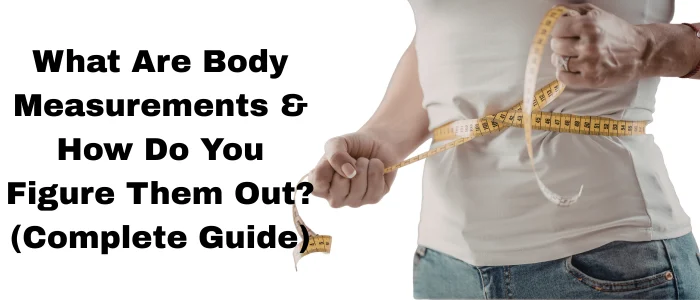
Before you begin, stand straight, stay relaxed, and use a soft measuring tape. Do not pull the tape too tight or leave it loose. Measurements should be snug but comfortable.
Upper Body Measurements
Upper body measurements play a key role in tops, jackets, hoodies, dresses, and activewear. These measurements help manufacturers shape garments correctly around the torso and arms.
Chest / Bust Measurement
Wrap the measuring tape around the fullest part of the chest or bust. The tape should pass under the arms and across the shoulder blades at the back.
- Keep the tape level all the way around
- Stand naturally and breathe normally
- Do not inflate or tighten your chest
This is one of the most important clothing body measurements and is used for most upper-body garments.
Under bust Measurement
Measure directly under the bust, where the ribcage sits. This measurement is especially important for women’s fitted tops, bras, and intimate apparel.
- Keep the tape snug but not tight
- Make sure it stays straight around the body
Shoulder Width
Measure across the back from the edge of one shoulder bone to the other.
- Stand straight without slouching
- Do not measure too far down your arms
Correct shoulder width ensures tops and jackets sit properly without pulling or drooping.
Neck Measurement
Wrap the tape around the base of the neck, where a shirt collar would sit.
- Leave a small gap (about one finger) for comfort
- Keep the tape level
This measurement is critical for collared shirts, uniforms, and formal wear.
Arm Length
Start from the shoulder point and measure down to the wrist.
- Keep the arm slightly bent
- Measure along the outside of the arm
Accurate arm length prevents sleeves from appearing too short or too long.
Torso Measurements
Torso measurements help define how garments fit around the midsection and hips. These are essential for both men’s and women’s clothing.
Natural Waist Measurement
The natural waist is the narrowest part of the torso, usually just above the belly button.
- Do not suck in your stomach
- Stand relaxed and upright
This measurement is used for dresses, tops, skirts, and high-waisted pants.
Lower Waist Measurement
The lower waist sits below the natural waist, where many pants and jeans rest.
- Measure where you normally wear your trousers
- Keep the tape straight around the body
This is especially important for casual wear and modern silhouettes.
Hip Measurement
Measure around the fullest part of the hips and seat.
- Stand with feet close together
- Keep the tape level and snug
Hip measurements are essential for pants, skirts, dresses, and active wear.
Lower Body Measurements
Lower body measurements define the fit and length of pants, jeans, shorts, and athletic wear.
Inseam
Measure from the crotch down to the ankle along the inside of the leg.
- Best measured with assistance
- Stand straight and barefoot
This measure determines pant length and overall comfort.
Out seam
Measure from the waist down to the ankle along the outside of the leg.
- Useful for custom pants and uniforms
- Helps manufacturers balance proportions
Thigh Measurement
Measure around the fullest part of the upper thigh.
- Keep the tape snug
- Do not flex muscles
This measurement is important for fitted pants and active wear.
Knee Measurement
Measure around the knee while standing straight.
- Keep your leg relaxed
- Do not bend excessively
Ankle Measurement
Measure around the narrowest part of the ankle, just above the ankle bone.
- Important for tapered pants and joggers
Measuring Tips for Best Accuracy
To get the most reliable body measurements for custom clothing, follow these best practices:
- Measure each area twice and record the average
- Use the same measuring tape every time
- Measure at the same time of day
- Avoid bulky or layered clothing
- Ask someone to help if possible
Body Measurements Table (Quick Reference Guide)
| Body Area | Measurement Name | How to Measure | Used For |
|---|---|---|---|
| Upper Body | Chest / Bust | Measure around the fullest part of the chest or bust, under the arms, keeping the tape level | T-shirts, tops, hoodies, jackets |
| Upper Body | Under bust | Measure directly under the bust around the ribcage | Bras, fitted tops, intimate wear |
| Upper Body | Shoulder Width | Measure across the back from one shoulder edge to the other | Shirts, jackets, coats |
| Upper Body | Neck | Measure around the base of the neck, leaving a slight room for comfort | Collared shirts, uniforms |
| Arms | Arm Length | Measure from the shoulder point to the wrist with the arm slightly bent | Long-sleeved tops, outerwear |
| Torso | Natural Waist | Measure the narrowest part of the waist above the belly button | Dresses, skirts, tailored garments |
| Torso | Lower Waist | Measure where pants or jeans usually sit | Jeans, trousers, casual pants |
| Torso | Hips | Measure around the fullest part of the hips and seat | Pants, skirts, activewear |
| Lower Body | Inseam | Measure from the crotch to the ankle along the inside of the leg | Pants, jeans, uniforms |
| Lower Body | Outseam | Measure from the waist to the ankle along the outside of the leg | Custom trousers |
| Lower Body | Thigh | Measure around the fullest part of the upper thigh | Fitted pants, leggings |
| Lower Body | Knee | Measure around the knee while standing straight | Tailored pants |
| Lower Body | Ankle | Measure around the narrowest part above the ankle bone | Joggers, tapered pants |
How to Use This Body Measurement Guide
- Always measure in inches for US-based apparel manufacturing
- Keep the tape snug but not tight
- Stand naturally and avoid bulky clothing
- Record measurements clearly and double-check
This table helps apparel manufacturers, designers, and custom clothing buyers communicate accurate body measurements for production.
Body Measurements for Men vs Women
Men’s and women’s bodies differ in shape and proportion, which affects how clothing is designed.
Key Differences
| Measurement Area | Men | Women |
|---|---|---|
| Chest / Bust | Chest only | Bust & under bust |
| Waist | Straighter waist | More defined waist |
| Hips | Narrower | Wider, more variation |
| Fit focus | Shoulder & chest | Bust-to-hip ratio |
Body Measurements for Different Clothing Types
Different garments rely on different measurements. Below is how measurements apply to common apparel categories.
T-Shirts & Tops
- Chest/bust
- Shoulder width
- Body length
Hoodies & Sweatshirts
- Chest
- Sleeve length
- Waist and hem width
Pants & Jeans
- Waist
- Hips
- Inseam and out seam
Activewear
- Chest/bust
- Waist
- Hips
- Thigh and calf
Bras & Intimate Wear
- Bust
- Under bust
- Torso length
Using the right body measurement guide ensures each clothing type fits as intended.
Common Body Measurement Mistakes to Avoid
Even small errors can lead to a poor fit.
Avoid these common mistakes:
- Pulling the tape too tight or leaving it too loose
- Measuring over thick clothing
- Holding the tape at an angle
- Measuring without a mirror or assistance
- Guessing instead of measuring
For best results, take each measurement at least twice.
Body Measurements vs Size Charts
Why Size Charts Vary
Every brand uses its own sizing system. A size “M” in one brand may fit like a “L” in another. This is why size charts are inconsistent.
When to Trust Measurements
Measurements are always more reliable than size labels, especially for:
- Custom apparel
- Private label production
- International and US-based orders
In custom manufacturing, measurements guide every stage of production, not size names.
How Apparel Manufacturers Use Body Measurements
Professional manufacturers rely on measurements at every step.
Pattern Development
Measurements are converted into base patterns that define fit.
Grading
Patterns are scaled up or down using measurement rules, not guesses.
Sampling
Samples are created based on measurement data to evaluate fit and construction.
Bulk Production Accuracy
Consistent measurements ensure every unit matches approved samples.
Tips for Getting the Most Accurate Body Measurements
Follow these tips for the best results:
- Measure twice and record the average
- Stand naturally and stay relaxed
- Measure at the same time of day
- Update measurements every few months
- Use the same tape and method each time
These habits help maintain consistency, especially for growing brands.
Conclusion
Understanding what body measurements are and learning how to take them correctly is one of the most important steps in custom clothing. Accurate measurements lead to better fit, higher customer satisfaction, and smoother manufacturing.
Whether you are a startup, designer, or private label brand, investing time in proper measurements reduces costly mistakes and improves product quality. When paired with an experienced manufacturing partner like Argus Apparel, accurate body measurements become the foundation of successful apparel production.
For brands looking to scale custom apparel or private label collections in the US market, precise measurements are not just helpful; they are essential.